
Short answer: maybe, but it shouldn’t be your first preparedness purchase. A bug out bag is a portable kit for a specific situation: you need to leave home and take essential supplies with you. It is not a complete plan, and it cannot replace basic skills or supplies for staying home.
For most households, a practical order is: make a home emergency kit, make a simple family plan, then build a lightweight bag that fits the way you might actually need to travel.
What is a bug out bag for?
A bug out bag, also called a go bag, is meant to help you manage for a short time after an evacuation. You might leave because of a wildfire, flooding, a hazardous materials incident, or another local emergency. It should be easy to reach and light enough to carry if you cannot use your vehicle.
It does not mean you should leave home whenever something feels uncertain. Follow local emergency instructions, know where you would go, and plan how household members will meet or communicate. The Ready.gov evacuation guidance offers basic steps for planning ahead.
A bag also isn’t a substitute for a home kit. If you can safely stay where you are, supplies at home may be more useful than everything you can carry on your back. The American Red Cross kit guidance recommends planning for both evacuation and sheltering at home.

What belongs in a practical bag?
Start with the needs of the people who will use it. Consider health conditions, mobility, climate, children, pets, and how you expect to travel. A bag for a family leaving by car may look different from one an adult needs to carry on foot.
Useful basics include:
- Water: Carry what is practical for your route and the people in your household. Water is heavy, so plan how you’ll access more. At home, Ready.gov recommends storing at least one gallon per person per day. A treatment method can help in some situations, but only if you know how to use it and the water source is suitable.
- Food: Choose familiar, shelf-stable food that needs little or no preparation. Check expiration dates and include any required utensils or a manual can opener.
- Shelter and clothing: Pack a rain layer, weather-appropriate clothing, sturdy footwear if you can’t wear it, and a compact emergency blanket or other simple protection from the elements.
- First aid and medication: Bring a basic first aid kit suited to your needs, necessary prescriptions, glasses, and other essential health items. Check storage instructions and replace supplies as needed.
- Light and communication: A flashlight or headlamp, spare batteries, phone charger or power bank, and a battery-powered or hand-crank radio can be useful. Keep a paper contact list in case your phone is unavailable.
- Documents and money: Store copies of identification, insurance details, medical information, and key contacts in a water-resistant pouch. Keep a modest amount of cash if appropriate.
Add supplies for children, older adults, pets, or anyone with specific medical or accessibility needs. Keep originals of important documents in a secure place; the bag can carry copies.

What doesn’t belong?
A bag does not need to look tactical to be useful. Skip gear that adds weight without meeting a real need: oversized tools, specialty gadgets you haven’t practiced with, bulky duplicates, or equipment selected because it looks rugged.
The same goes for food and water gear. A complicated cooking system won’t help if you don’t know how to use it, and a water filter isn’t a substitute for understanding its limits. Choose items you can use safely and maintain.
Most important, don’t pack so much that you can’t comfortably carry the bag. If you might need to walk with it, test the load on a normal walk. Remove items that aren’t essential, and adjust the fit. A smaller bag you can manage is more useful than an idealized kit you can’t carry.
Common buying mistakes
A few habits can make a bag less useful than it looks:
- Buying a prepacked kit without checking it. Contents may not suit your household, climate, or health needs. Review every item.
- Packing for an imagined scenario, not a likely one. Your local hazards and travel options should shape the bag.
- Ignoring the home kit. A go bag is only one part of household preparedness. See Ready.gov’s kit guidance for a broader starting point.
- Forgetting to maintain supplies. Check food, batteries, medication, clothing sizes, and documents on a regular schedule.
- Never testing the bag. Wear it, walk with it, and practice locating key items. Adjust anything that’s uncomfortable or hard to find.
Skills matter more than gear
A bag can hold useful supplies. Skills help you make good choices with them. Knowing how to manage water, use basic first aid, read a map, communicate a plan, and pack for the conditions can matter more than adding another item.
Training also gives you a chance to handle gear before you need it. Carolina Preparedness offers a Bug Out Bags course focused on building a practical 72-hour kit around your needs, budget, and plans. The Fundamentals of Preparedness course covers broader household readiness. Course dates may vary; check the upcoming classes page or the course catalog for details.

A simple way to get started
First, list the emergencies most relevant to your household and decide where you would go if you had to leave. Then gather the basics you already own and identify any important gaps. Build the bag around your actual plan, not a generic checklist, and keep it somewhere you can reach quickly.
If you’re starting from scratch, a home kit and a basic family plan may be the better first step. Add a bug out bag when you know what you need to carry and how you would use it.
A bug out bag can be useful, but it’s one practical tool, not a magic solution. Browse Carolina Preparedness courses and upcoming classes when you’re ready to learn more.
Sources
Excerpt: A bug out bag can help during an evacuation, but it isn’t a complete preparedness plan. Learn what to pack, what to skip, and why home supplies and practical skills come first.
SEO title: Do You Really Need a Bug Out Bag? A Practical Guide
Meta description: Do you really need a bug out bag? Learn what it’s for, what to pack, common buying mistakes, and why a home kit and practical skills matter.
Focus keyword: do you really need a bug out bag
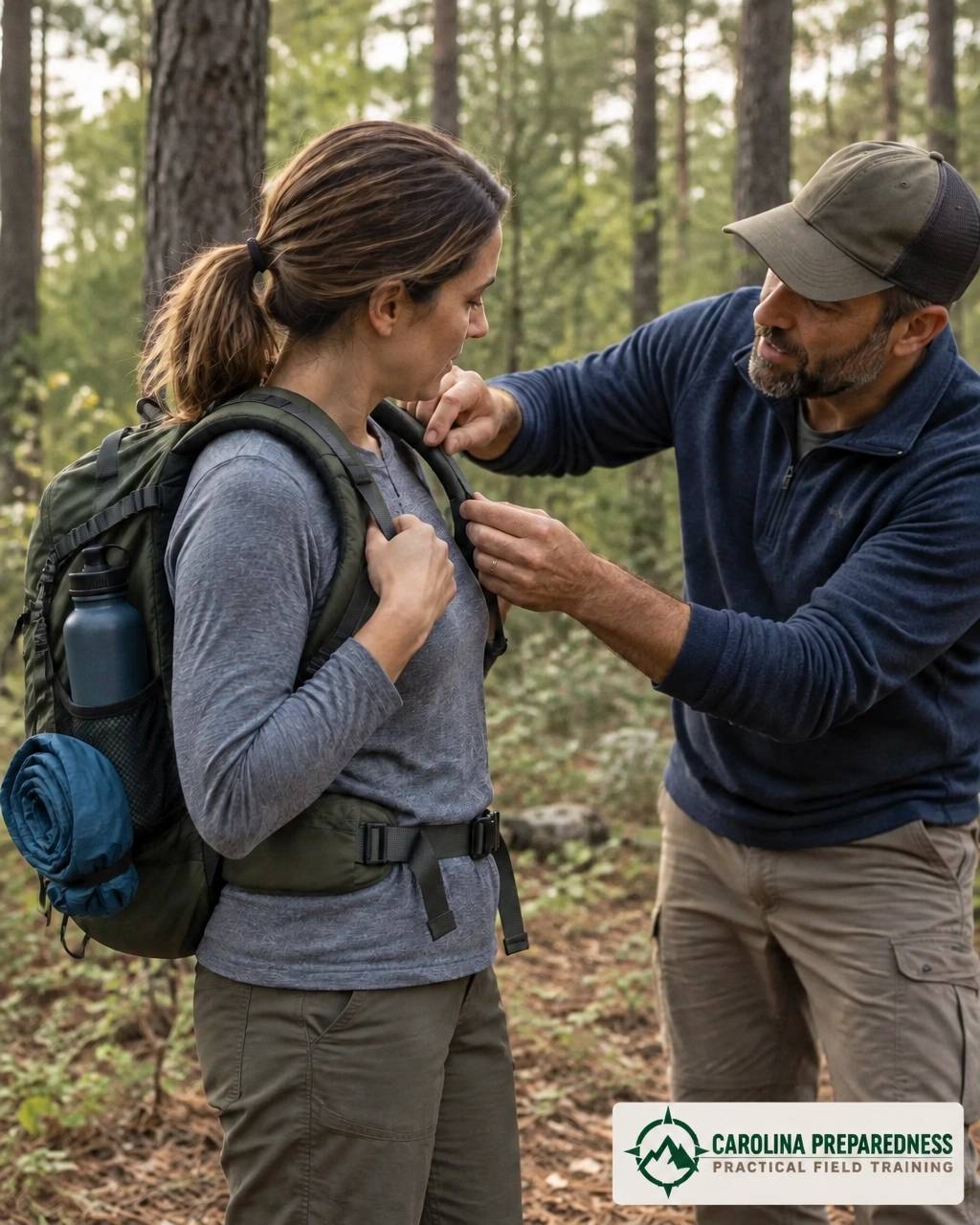
Featured image alt text: A beginner checks a practical evacuation backpack and essential supplies at a wooded trailhead.
Tags: bug out bag, emergency preparedness, evacuation kit, preparedness training, family preparedness, Carolina Preparedness